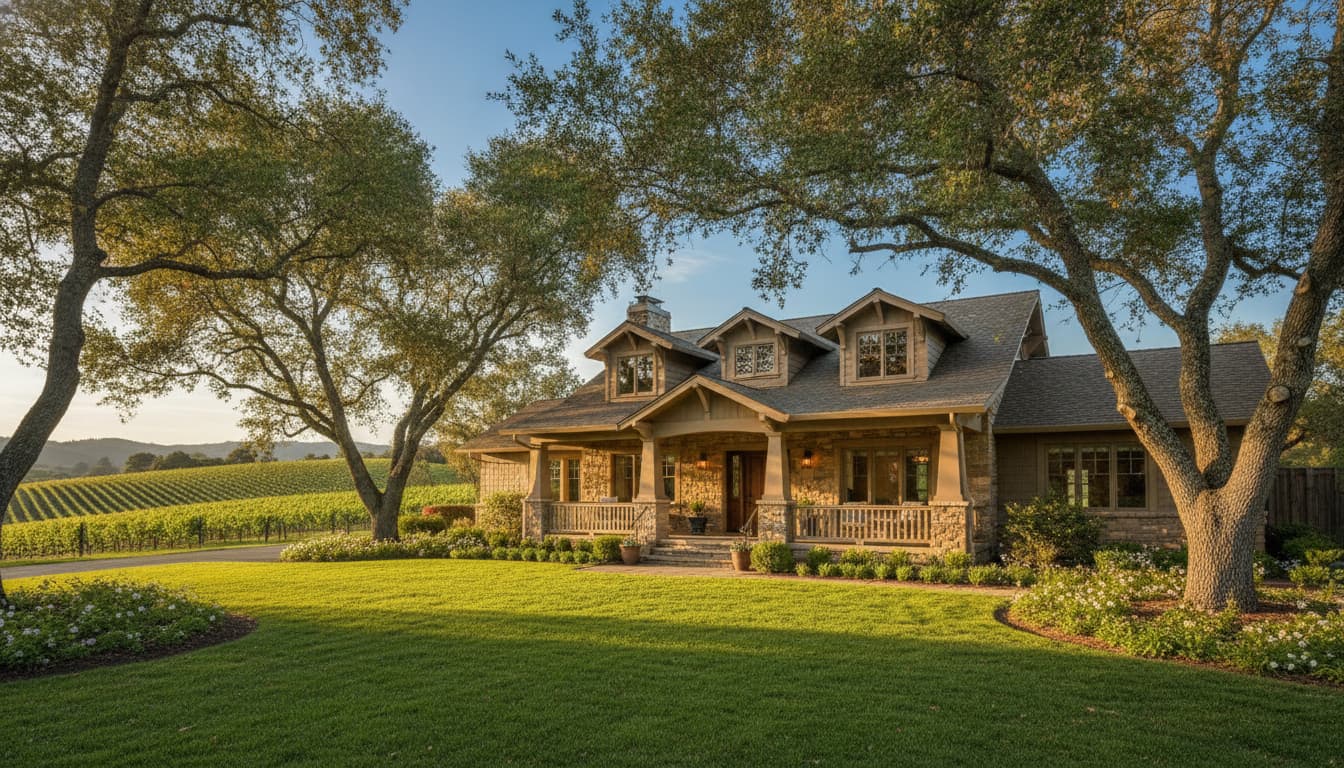
What Is a Rural Land Development Loan?
A USDA loan isn't just for farmers. It's a powerful tool for anyone looking to build or buy in rural America. These loans, backed by the United States Department of Agriculture, offer some unique advantages that might surprise you, including the ability to finance a home with little or no money down.
Before diving into the specifics, let's figure out whether your dream property qualifies. The USDA has specific rural area designations, and you can check a property's eligibility using the USDA's eligibility tool. That tells you whether the home or land you're looking at sits inside a USDA-eligible zone. You'll also need to be aware of very specific income restrictions, which we cover in detail later in this guide.
Comparing Rural Development Loans With Other Options
Here's how rural development loans stack up against the other common financing options. The standout features are zero down payment and no monthly private mortgage insurance (PMI).
- USDA Loan: 0% down payment, 640+ credit score typically, no PMI required.
- FHA Loan: 3.5% down payment, 580+ credit score, PMI required.
- Conventional Loan: 5–20% down payment, 620+ credit score, PMI varies.
Credit Score Requirements
While USDA loans are known for their flexibility, your credit score still matters. Here's what you need to know about minimum requirements and what to do if your credit isn't perfect.
- Minimum requirements: an ideal score is 640 or higher, though some exceptions are possible and compensating factors are considered.
- Credit challenges? Low down payment options may still be available.
- Alternative credit data is sometimes accepted in place of a thin traditional file.
- Recent improvements in credit are viewed favorably by underwriters.
USDA Rural Development Loan Income Restrictions, Explained
USDA rural development loans are designed to help low- to moderate-income households achieve homeownership in eligible rural areas. Income limits are a critical factor in determining eligibility. Below, I break down the nuances of USDA income restrictions, including how they're calculated, how they vary by region, and the strategies that can help you qualify.
1. Types of USDA Loans and Their Income Limits
USDA offers two primary loan programs, each with its own income requirements.
- Section 502 Direct Loans — for very low- to low-income households. Very low income means at or below 50% of the area median income (AMI); low income means 50–80% of AMI. Features include subsidized interest rates (as low as 1%) and 33- or 38-year repayment terms.
- Section 502 Guaranteed Loans — for moderate-income households, with income at or below 115% of AMI for the area. Features include market-rate interest, 30-year terms, and loans issued by private lenders with USDA backing.
2. How Income Limits Are Determined
Income limits are adjusted by location and household size, so they vary from county to county. Here are a couple of examples using 2025 data, along with a note on high-cost areas.
Always confirm the numbers for your specific area using the USDA Income Eligibility Tool before you count on qualifying.
- A family of 1–4 in rural Alabama: $103,500 max income for a Guaranteed Loan; $54,300 max for a Direct Loan.
- A family of 5–8 in rural Colorado: $161,600 max income for a Guaranteed Loan; $71,600 max for a Direct Loan.
- High-cost areas: limits increase in regions with higher living costs, such as parts of California and Hawaii.
3. What Counts as Income?
USDA uses adjusted annual income, not just your gross pay. That means certain deductions reduce the income figure used to qualify you.
Example calculation: a family of four earns $95,000 annually but has $5,000 in childcare and $3,000 in medical expenses. Adjusted income = $95,000 − $8,000 = $87,000, which is potentially within USDA limits even though the gross figure looked high.
- Childcare expenses for minors.
- Medical costs for elderly household members (62+).
- $480 per minor child.
- Disability-related expenses.
- Elderly household deductions ($400/month).
4. Exceptions and Flexibility
There's more nuance to how income is counted than most borrowers expect, and several of these rules work in your favor.
- Household size: larger families (5+ members) qualify for higher income thresholds.
- Non-taxable income: Social Security, disability, or retirement income is included.
- Self-employed applicants: use a two-year average of net income (after business expenses).
- Temporary income (such as bonuses and overtime): lenders may exclude it if it's inconsistent.
- Pro tip: some states allow income exceptions for essential workers, such as teachers and healthcare providers, in underserved rural areas.
5. Avoiding Disqualification
A few common mistakes can knock an otherwise qualified borrower out of the running. Watch for these pitfalls.
Case study: a couple in Oregon earned $125,000 annually but reduced their adjusted income to roughly $112,000 using childcare and medical deductions, which qualified them for a Guaranteed Loan in a high-cost county.
- Overestimating deductions: only USDA-approved deductions apply.
- Including ineligible members: only residents who are dependents or co-borrowers count toward household size.
- Ignoring part-time income: all taxable income, even from side gigs, must be reported.
6. State-Specific Variations
Where you're buying changes the math, both for income limits and for the assistance you may be able to stack on top of a USDA loan.
- Alaska and Hawaii: higher limits due to elevated living costs.
- Disaster areas: temporary income limit increases may apply, for example after wildfires or hurricanes.
- State supplements: some states pair USDA loans with down payment assistance, bypassing federal income caps.
7. What If You Exceed the Income Limits?
Coming in over the limit doesn't mean the dream is dead. You usually have a few paths forward.
- Consider alternatives: FHA, conventional loans, or state agricultural loans.
- Reevaluate household size: adult children or non-dependent relatives may need to move out.
- Delay your application: if you expect an income drop, such as retirement, wait and reapply.
8. 2025 Updates
A couple of recent changes have made USDA financing more accessible, and they're worth knowing before you apply.
By understanding these income restrictions, you can strategically position yourself to secure financing for your rural property.
- Increased limits: USDA raised income ceilings in 90% of counties due to inflation.
- Remote work exception: some lenders now accept non-traditional income, such as freelance work, if it has been stable for 12+ months.
The Rural Development Loan Process
Once you know you're a fit, the process moves through three main stages. The first step is always confirming the property qualifies, then preparing your finances, then planning construction if you're building.
- Step 1 — Property eligibility: verify your chosen location qualifies using the USDA's rural classification guidelines.
- Step 2 — Financial preparation: income documentation, credit report review, debt-to-income calculation, and asset verification.
- Step 3 — Construction planning (if you're building rather than buying): builder selection, construction timeline, cost estimates, and land evaluation.
Special Considerations for Raw Land
Financing undeveloped land presents unique challenges, especially when you're applying for a rural land development loan. How you approach it depends on whether you're buying land only or land plus construction.
- Land-only purchases: higher down payments are typically required, term lengths are often shorter, interest rates may be higher, and your future construction plans matter to the lender.
- Land plus construction: one-time close options are available, construction-to-permanent loans roll everything into a single loan, builder requirements apply, and draw schedule planning becomes part of the process.
Making Your Rural Development Project Successful
The borrowers who succeed in rural projects tend to plan for more than just the mortgage payment. Build in a financial cushion, and steer clear of the mistakes that trip people up.
- Financial planning tips: build an emergency fund, plan for development costs, consider utility installation, and account for ongoing property maintenance.
- Common pitfalls to avoid: underestimating total costs, skipping proper due diligence, rushing the property selection, and ignoring zoning restrictions.
Is a Rural Development Loan Right for You?
A USDA rural development loan is a great fit for some buyers and the wrong tool for others. Here's a quick gut check on both sides.
- Ideal candidates: looking for a primary residence; planning to build or buy in a rural area; meet the income and credit requirements; prefer low or no down payment options.
- Consider alternatives if: the property is outside USDA-eligible areas; your income exceeds local limits; you need an immediate construction start; or you're looking for investment property financing.
The Bottom Line
Rural development loans offer a unique opportunity to finance your country dream with little to no money down. With the right preparation and guidance, you can navigate the process successfully and join the growing number of Americans enjoying rural living.
Your next steps are simple: check property eligibility, gather your financial documents, review your loan options, and schedule a consultation. Don't let financing concerns stop you from pursuing your rural dream home.